Hurricane Season Roof Preparation Checklist for Georgia Homeowners
Related Posts
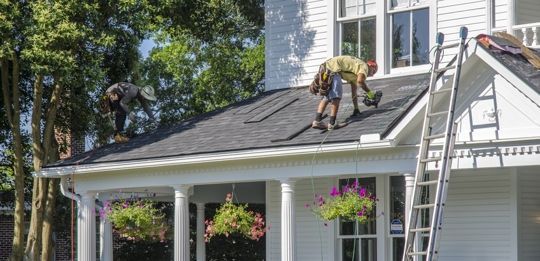
Why Every Georgia Homeowner Should Prepare Their Roof for Hurricane Season

Hurricane season brings more than just heavy rain to Georgia. Strong winds, flying debris, torrential downpours, and falling tree limbs can all put your roof to the test. While Monroe, Georgia, is farther inland than coastal communities, the remnants of tropical storms and hurricanes can still produce damaging winds and severe weather capable of compromising your roofing system.
The best way to protect your home is to prepare before a storm arrives. At Superior Roofing Company of Georgia, we help homeowners throughout Monroe and the surrounding areas ensure their roofs are ready to withstand Georgia’s unpredictable weather. Following a hurricane season roof preparation checklist can reduce the risk of costly damage and provide greater peace of mind when severe weather strikes.
Why Hurricane Preparation Matters in Georgia
Many homeowners assume hurricanes only impact coastal regions. However, tropical systems frequently travel inland, bringing high winds, heavy rainfall, and saturated ground that can topple trees and damage homes throughout North Georgia.
Even if your roof appears to be in good condition, small issues such as loose shingles or damaged flashing can quickly become major problems during a powerful storm. Taking preventive measures before hurricane season begins can help minimize repairs and extend the life of your roof.
Schedule a Professional Roof Inspection
One of the most important steps in hurricane preparation is having your roof professionally inspected.
A trained roofing contractor can identify issues that may not be visible from the ground, including:
- Loose or missing shingles
- Damaged flashing around chimneys and vents
- Soft spots or signs of roof decking deterioration
- Nail pops
- Areas vulnerable to water intrusion
- Aging roofing materials nearing the end of their lifespan
Addressing these concerns before severe weather arrives greatly improves your roof’s ability to withstand high winds and heavy rain.
Replace Missing or Damaged Shingles
Every shingle plays an important role in protecting your home. Missing, cracked, curled, or loose shingles create weak points where wind can lift additional roofing materials or allow water to penetrate beneath the surface.
Replacing damaged shingles before hurricane season helps maintain the integrity of your roofing system and reduces the likelihood of leaks.
Inspect Flashing and Roof Penetrations
Flashing seals vulnerable areas around chimneys, skylights, plumbing vents, and roof valleys. Over time, flashing can loosen, rust, or separate from the roof.
Because these areas are common sources of roof leaks, it’s essential to inspect and repair damaged flashing before severe weather arrives.
Properly sealed roof penetrations provide an extra layer of protection against wind-driven rain.
Clean Gutters and Downspouts
Your gutter system plays a critical role during heavy rainfall.
Leaves, pine needles, and debris can clog gutters and prevent water from flowing away from your home. Overflowing gutters may allow water to back up beneath shingles or pool around your home’s foundation.
Before hurricane season:
- Remove leaves and debris
- Flush gutters with water
- Check for loose gutter sections
- Ensure downspouts direct water away from the home
Clean gutters improve drainage and help reduce water-related roof damage.
Trim Overhanging Tree Branches
Trees add beauty and shade to your property, but overhanging branches become dangerous during strong winds.
Dead or weak limbs can break and fall onto your roof, causing significant structural damage.
Trimming branches that extend over your home reduces the risk of:
- Punctured roofing materials
- Broken shingles
- Damaged gutters
- Impact damage from falling limbs
Maintaining healthy trees is one of the simplest ways to protect your roof during hurricane season.
Check Your Attic for Signs of Trouble
Your attic often reveals roofing problems before they become visible inside your living space.
Inspect your attic for:
- Water stains
- Mold or mildew
- Damp insulation
- Sunlight shining through roof boards
- Poor ventilation
Early detection allows repairs to be completed before storms expose existing weaknesses.
Secure Loose Outdoor Items
While not technically part of the roof itself, outdoor furniture, grills, decorations, and lawn equipment can become airborne during high winds.
Flying debris is one of the leading causes of storm-related roof damage.
Before severe weather arrives:
- Store patio furniture indoors
- Secure trash bins
- Bring in potted plants
- Anchor lightweight outdoor equipment
Reducing potential projectiles helps protect both your roof and your home’s exterior.
Review Your Homeowner’s Insurance Coverage
Before hurricane season begins, review your homeowner’s insurance policy to understand what types of storm damage are covered.
Consider documenting your roof’s current condition by taking photographs after a professional inspection. Having updated records may simplify the claims process if storm damage occurs.
It’s also a good idea to keep your roofing contractor’s contact information readily available in case emergency repairs are needed after a storm.
Don’t Wait Until Severe Weather Is Forecast
One of the biggest mistakes homeowners make is waiting until a tropical storm or hurricane is already approaching.
Roofing contractors often experience high demand before and after major storms, making it more difficult to schedule inspections or repairs.
Preparing early gives you time to address minor issues before they become emergency situations.
Trust Superior Roofing Company of Georgia
At Superior Roofing Company of Georgia, we’re committed to helping homeowners throughout Monroe and surrounding communities protect their homes year-round. Whether you need a roof inspection, storm damage repairs, preventative maintenance, or a complete roof replacement, our experienced team delivers quality workmanship backed by exceptional customer service.
Don’t wait for hurricane season to reveal hidden roofing problems. A proactive inspection today can help protect your home, your family, and your investment when severe weather arrives.
Call Superior Roofing Company of Georgia today at 770-279-2621 or visit www.superiorroofs.com to schedule your professional roof inspection and prepare your home for hurricane season.
Frequently Asked Questions
When should I prepare my roof for hurricane season?
It’s best to schedule a roof inspection and complete any necessary repairs before hurricane season begins or as early in the season as possible. Preparing early helps ensure your roof is ready before severe weather develops.
Can hurricanes affect homes in Monroe, Georgia?
Yes. Although Monroe is inland, the remnants of hurricanes and tropical storms can bring damaging winds, heavy rainfall, and falling trees that may cause roof damage.
How often should my roof be inspected?
Most homeowners should have their roof professionally inspected at least once a year and after any major storm to identify potential problems before they worsen.
What are the signs my roof may not be ready for hurricane season?
Missing shingles, damaged flashing, sagging areas, water stains, clogged gutters, loose gutters, and visible roof wear are all signs that your roof should be inspected before severe weather arrives.
Should I replace damaged shingles before hurricane season?
Absolutely. Even a few damaged or missing shingles can allow wind and water to penetrate your roofing system, increasing the risk of extensive storm damage.