How To Repair Damaged Roof Shingles

Related Posts

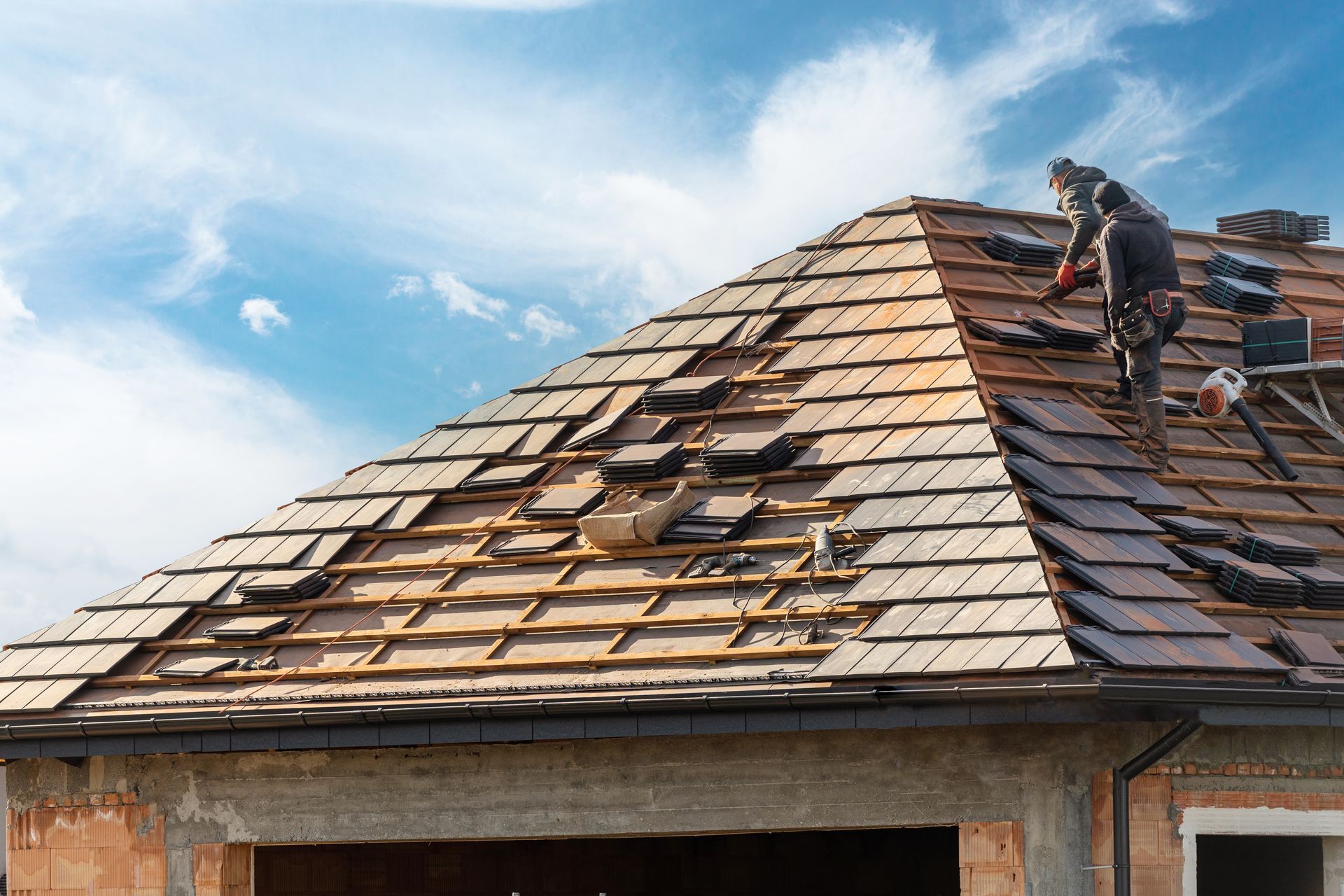
A  roofer working on installing a new roof
By Superior Roofing March 3, 2026
Should you stay home during a roof replacement in Atlanta, GA? Here’s what to expect from a professional roofing crew so you can plan with confidence.
Atlanta residential roof dealing with leaks
February 14, 2026
Small roof leaks in Atlanta homes can lead to costly structural damage. Learn warning signs and how early repairs prevent bigger problems.
Person wearing blue work glove uses hammer to remove roofing material.
January 29, 2026
At Superior Roofing Company of Georgia, we often speak with homeowners who don’t realize how much clogged gutters can impact the condition of their roof. Gutters may seem like a simple feature, but when they stop draining properly, water can back up onto roofing materials, seep into fascia boards, and create moisture problems that lead to costly repairs. Keeping gutters clear and working correctly is one of the easiest ways to protect your roof and prevent avoidable damage. Why Gutters Play a Major Role in Roof Protection Your gutter system is designed to direct rainwater away from your roofline and foundation. When everything is flowing properly, gutters help prevent: Water pooling along roof edges Wood rot around fascia and soffits Moisture intrusion into attic spaces Mold and mildew growth near the roofline Damage to shingles and underlayment When gutters become blocked, water has nowhere to go—and your roof becomes the first place it causes trouble. How Clogged Gutters Can Damage Roofing Materials We often find that overflowing gutters create roof issues in several ways: Water backs up under the first row of shingles Shingle edges stay wet longer and deteriorate faster Fascia boards absorb moisture and begin to rot Roof decking can weaken over time Heavy water buildup adds stress along the roofline Even if the roof itself is in good shape, drainage problems can shorten its lifespan. Signs Your Gutters May Be Causing Roof Problems Homeowners often call us after noticing symptoms that don’t immediately “look like a gutter issue,” such as: Water dripping behind gutters during rainfall Dark streaks or staining on exterior walls Peeling paint near roof edges Sagging gutters or loose sections Wet spots in the attic near eaves These warning signs often mean water isn’t being carried away properly and could already be affecting your roof structure. Why Georgia Weather Makes Gutter Maintenance More Important In Georgia, gutters can clog quickly due to: Heavy seasonal rainfall Falling leaves and pine needles Storm debris and small branches High humidity that keeps buildup damp and compacted When moisture sits in clogged gutters for too long, it creates the perfect environment for wood rot, mold, and long-term roofline deterioration. Common Gutter Issues We See During Roof Inspections During roof inspections across Georgia communities, we commonly see gutter-related issues like: Packed debris blocking downspouts Improper gutter slope causing water to sit Loose hangers pulling gutters away from fascia Water damage behind gutters that’s hidden from view Overflow marks that indicate repeated drainage problems These issues may start small, but they often lead to larger roofing repairs if ignored. Simple Steps Homeowners Can Take to Prevent Damage A few basic maintenance habits can help protect both your gutters and your roof: Clear out leaves and debris regularly Flush downspouts to make sure water drains fully Check for sagging or loose gutter sections Make sure gutters slope toward the downspouts Consider gutter guards if debris buildup is frequent If the gutter system is already pulling away from the roofline or showing signs of overflow, it’s worth having it evaluated professionally. How Superior Roofing Company of Georgia Can Help Superior Roofing Company of Georgia provides professional roof inspections and repair services for homeowners across Monroe, Atlanta, Covington, Alpharetta, Duluth, Sandy Springs, and surrounding Georgia communities. We inspect roof edges, fascia boards, and drainage systems to identify moisture risks early—then provide honest recommendations to protect your roof and prevent expensive repairs. Our Final Thoughts for Georgia Homeowners Gutter problems are easy to overlook, but they can cause serious roof damage over time. Keeping your gutters clear and draining properly helps protect shingles, wood framing, and attic spaces from moisture-related wear. If you’re seeing overflow, staining, or signs of roofline damage, our team is ready to help. Call 770-279-2621 or visit our contact page to schedule an inspection.

July 10, 2020 | By Superior Roofing Company of Georgia

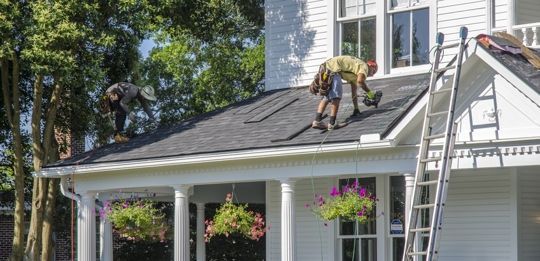
Homeowners may be pleasantly surprised to find that shingles repair in Dunwoody can be a do-it-yourself project. Whether you decide to do it on your own or hire a professional to do the work, be it emergency roof repair or just proactive maintenance, it’s helpful to understand what exactly is involved in this type of roofing repair. Roof maintenance can also involve peripheral type projects that involve shingle replacement, such as fixing chimney caps or installing custom skylights.


Here are some of the most common ways to repair or replace damaged shingles, which can occur when broken tree limbs or high winds damage one or more shingles. When that happens, you can choose to replace the entire piece or simply cut the shingle into sections and just replace a single tab. However, be sure to select a day when the weather is somewhat moderate to do the repair work. Shingles can crack in weather that’s too cold, and shingle sealants will be tough to break loose if it’s too hot.


Removal


The first thing that you’ll need to do is remove all or a part of the shingle. This is most easily done by inserting a putty knife underneath it to break the seal holding it down, after which you should use a flat bar to remove the damaged shingle and nails. Exert care not to damage the shingles above or next to the damaged one. It’s important that you don’t apply too much pressure since shingles can easily rip if you do. Pry underneath the shingle rather than dig the nail head out from above, which will damage the good shingles. Push the shingle down from the head of the nail and proceed to pull out the nail. Once the nails are removed, lift the good shingle directly above it and remove the next set of nails and then pull out the damaged shingle. Finally, remove the entire shingle or simply cut off the damaged tab.


Replacement


In order to replace a damaged shingle, you will need a pry bar, a hammer, and a common utility knife as well as some 4-inch roofing nails. Hopefully, you have leftover shingles from your last installation or roof repair, or if you’re lucky, the builder who did the previous work has them in stock. Failing all of that, you will need to check your local lumberyard or home center for a match or at least shingles that are very close in style and color to your existing ones. The new shingle should be slid into place and secured under the shingle directly above it with roofing nails. Once secured, you apply a tiny amount of roof cement in order to seal the shingle to the roof. Remember that the nails for the next shingle should pass through the top edge of the shingle below it.