Lighting Your First Fire? Why Your Chimney Cap Matters This Season
Related Posts
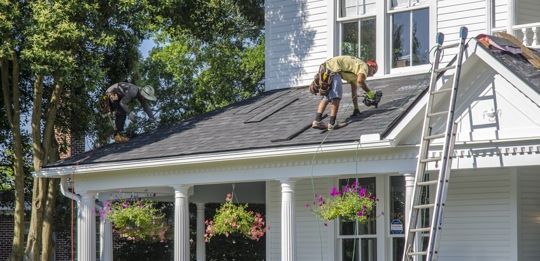
Atlanta's first cold snap has homeowners from Sandy Springs to Alpharetta reaching for the fireplace, and the first fire is exactly when a bad chimney cap shows itself. If the cap is rusted, loose, or missing, rain may have been getting into your chimney all year, and animals may have moved in.
The fix is simple: check the cap before you light up. If it is failing, a chimney cap replacement now costs far less than the water damage and masonry repairs that follow. Here is what a cap does, how to spot a failing one, and when to call a professional.
What a Chimney Cap Actually Does
A chimney cap is the metal cover atop the flue: a roof for your chimney, with mesh sides that let smoke out and keep everything else out. It is not the same as the chimney crown, the concrete slab below it, or the flashing where the chimney meets the roof.
The misconception is that a cap is decorative, or that a chimney works fine without one. An open flue is an open door: rain falls straight down it, and birds, squirrels, and raccoons treat it as a ready-made home.
Why Chimney Cap Replacement Matters Before Fire Season
Water is the biggest threat. Rain entering an uncapped flue soaks masonry and mortar, rusts the damper, and, on Georgia's coldest nights, freezes and expands inside the brickwork, cracking it from within.
Animals are the second threat. Nests block smoke from escaping, pushing it, along with carbon monoxide, back into the living room, and dry nesting material near creosote is a fire risk no one wants overhead.
A sound cap also stops sparks escaping onto the roof and cuts the downdrafts that blow smoke and ash smell into the house on windy nights. One small component does four jobs, which is why its condition matters.
How to Check Your Chimney Cap Before the First Fire
- Look from the ground with binoculars. The cap should sit straight and centered,with nothing bent, dented, or missing.
- Check the mesh. Torn or sagging screening invites birds and squirrels in, even when the cap's top looks fine.
- Watch for rust stains and water marks. Rust on the masonry, or dampness in the firebox after rain, means the cap is letting water through.
- Smell and listen before you light anything. Musty or animal odors, or scratching sounds, point to nesting or debris in the flue. Do not light a fire until it is checked.
- Test the draw only if everything checks out. Smoke should pull straight up; smoke spilling into the room means a blockage or downdraft to fix first.
- Schedule the replacement before the first cold snap if anything looks off. Caps are sized to the flue, and fit matters more than a generic cap's low price.
When to Call a Pro
Chimney work means roof work: steep pitches, fragile flashing, and a component you can only reach from above. If the cap is loose, missing, or rusted through, or if animals have nested, that is a professional job, and the flue should be inspected at the same time.
Superior Roofing Company of Georgia handles
chimney cap replacement across the Atlanta metro: we inspect the chimney system, flag hidden deterioration, and install a durable cap fitted to your flue. We've been family-owned since 1990, we're veteran-operated, and our estimates are free.
Tips to Keep Your Cap and Chimney Sound
- Have the chimney and cap checked yearly, ideally in fall before fire season. Pair it with your roof maintenance visit so the flashing gets checked too.
- Choose stainless steel or copper over basic galvanized caps; they resist rust far longer in Georgia's humidity.
- Look after big storms. A cap that was fine in summer can be loosened by one windy night.
- Do not put off a missing or damaged cap. One season of rain can do more damage than a replacement cost.
Get Your Cap Checked Before the Cold Weather Settles In
Your first fire of the season should be relaxing, not a smoke-alarm drill. If your cap is rusted, loose, or missing entirely, Superior Roofing Company of Georgia can inspect and replace it now before you light that first fire.
📞 Call Superior Roofing Company of Georgia today at
770-279-2621 to schedule your chimney cap replacement.
Frequently Asked Questions
How much does chimney cap replacement cost?
It depends on your flue's size, the cap material, and chimney access. Superior Roofing offers free estimates. Call us, and we'll inspect the cap and give you an exact price before work starts.
How do I know if my chimney cap needs replacing?
Look for rust, a cap that is loose, tilted, or missing, torn mesh, water in the firebox after rain, or animal noises and odors. Some deterioration hides from ground view, but a professional inspection catches what binoculars cannot.
Can I replace a chimney cap myself?
It's possible on a low, gently pitched roof, but most caps sit atop steep pitches next to fragile flashing, and a poorly fitted cap leaks or blows off. Professional replacement gets the fit and fastening right, plus a look at the flue while we are up there.
What happens if I don't have a chimney cap?
Rain falls straight into the flue, damaging masonry, mortar, and the damper. Animals and debris get in, downdrafts push smoke into the room, and sparks can escape onto the roof.
How long does a chimney cap last?
A basic galvanized cap can rust within several years in Georgia's humidity, while stainless steel and copper can last for decades. Material choice is the biggest factor in how soon you'll need another.